Christmas is the Christian festival celebrating the birth of Jesus. It is held every year on December 25 — Friday, December 25, 2026, and Saturday, December 25, 2027 — and since the early 20th century it has also become a secular family holiday, observed by many non-Christians as a season of gift-giving, gathering and goodwill. In the United States, Christmas Day is a federal holiday, so banks, post offices, schools and most stores close. The sections below explain where the name comes from, why the date is December 25, and how the holiday took the shape it has today.
What Does the Word “Christmas” Mean?
The word Christmas comes from the Old English Cristes mæsse, meaning “Christ’s Mass” — the church service held to celebrate Christ’s birth. Over centuries of use, Cristes mæsse shortened into Christemasse and then into the modern word Christmas. The name itself tells you the original purpose of the day: it began as a religious feast, not a shopping season.
The Story Behind Christmas
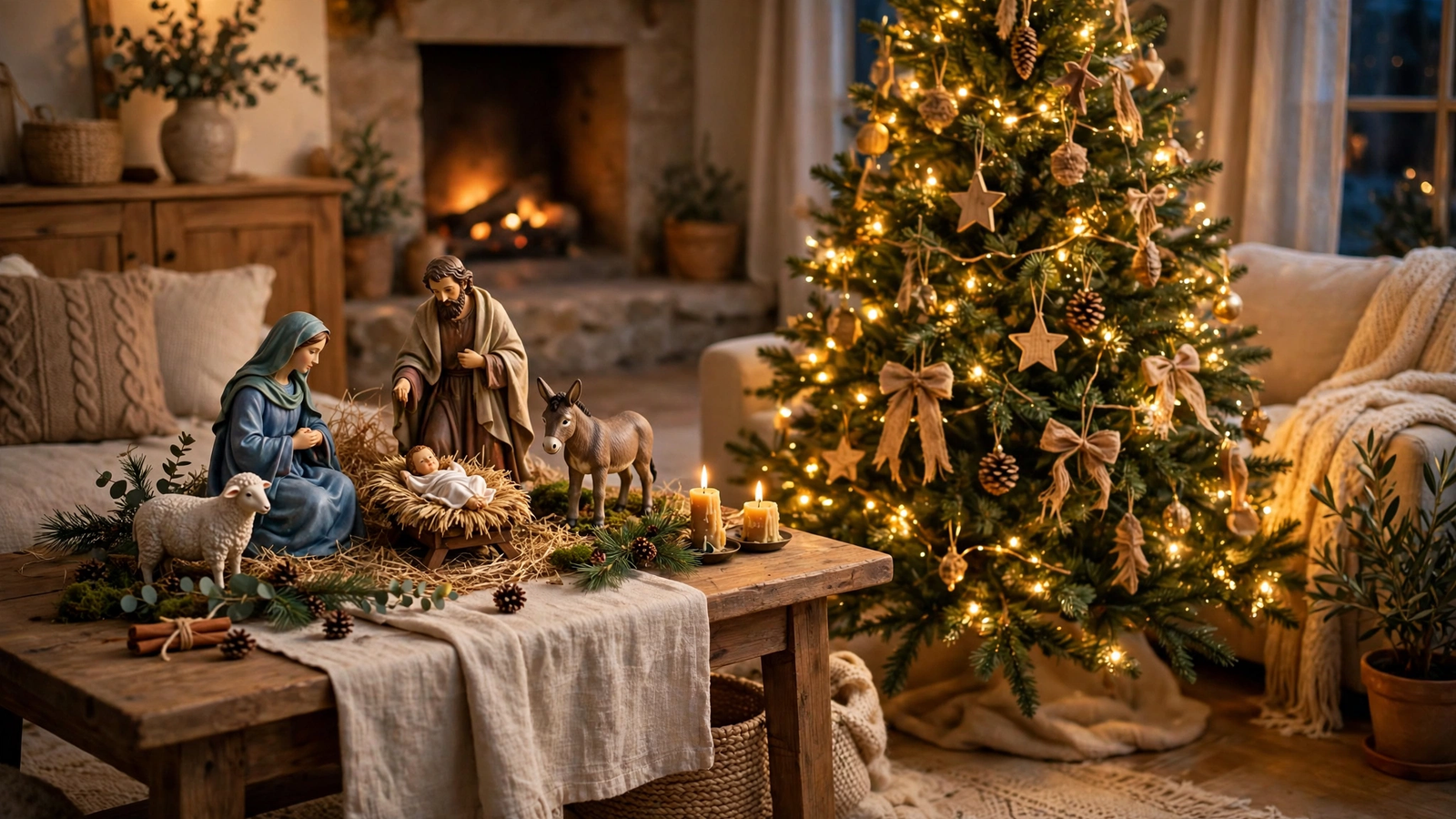
For Christians, Christmas celebrates the birth of Jesus, told in the Gospels of Matthew and Luke. Luke’s account describes Mary and Joseph traveling to Bethlehem, where Jesus was born and laid in a manger, and shepherds being told the news by angels. Matthew’s account adds the visit of the Magi, the wise men who brought gifts of gold, frankincense and myrrh. That is why Nativity scenes, carols about Bethlehem, and the tradition of giving gifts all sit at the center of the religious celebration.
You may also like
The night before, Christmas Eve (December 24), is kept as a vigil — an evening of waiting and worship before the feast day itself. Many churches hold a Midnight Mass or an evening service on December 24, and families gather for a meal before the morning of the 25th.
Why Is Christmas on December 25?
The New Testament does not give a date for Jesus’ birth. December 25 was first identified as the date by the Christian chronographer Sextus Julius Africanus in the year 221, and the first recorded Christmas celebration of Jesus’ birth is often cited as A.D. 336. Historians debate why December 25 was chosen, and there are two main theories:
- The solstice theory: December 25 sat close to the winter solstice and to Roman festivals of the returning sun, including dies solis invicti nati (the birthday of the unconquered sun) and Saturnalia. On this view, the church placed the feast there to give the season a Christian meaning.
- The calculation theory: early Christian writers calculated that Jesus was conceived on March 25, and counted nine months forward to December 25 as the birth date.
Neither theory is settled fact, and honest histories present both. What is certain is that by the 4th century, church officials had instituted the birth of Jesus as a holiday, and the custom spread — to Egypt by 432 and to England by the end of the 6th century. Many Eastern churches still celebrate Christmas on January 6 or 7, following a different calendar tradition.
How Christmas Became a US Federal Holiday
Christmas was not always welcomed in America. In the Massachusetts Bay Colony, the Puritans outlawed Christmas in Boston from 1659 to 1681, with a fine of five shillings for celebrating it, because they saw the feast as a pagan survival. Over the 19th century the day softened into a family celebration, helped by writers such as Washington Irving and Charles Dickens, whose A Christmas Carol (1843) fixed the idea of Christmas as a time of generosity.
Congress created the first four US federal holidays — New Year’s Day, Independence Day, Thanksgiving and Christmas Day — on June 28, 1870, at first for federal employees in Washington, D.C. The holidays were extended to all federal employees in 1885. That federal status is why the practical questions on this site exist: on Christmas Day, banks, post offices and government offices close, and most stores close or keep short hours. Our guide to what is open and closed on Christmas lists the details store by store, including Walmart on Christmas.
Where Santa Claus and the Tree Came From
Two of the most familiar Christmas figures arrived by different roads. Saint Nicholas was a bishop who lived around A.D. 280 in Lycia, in what is now Turkey, remembered for secret gift-giving. Dutch settlers brought Sinterklaas to America, where the name became “Santa Claus.” The modern red-suited image was popularized — not invented — by Haddon Sundblom’s Coca-Cola illustrations from 1931 onward. The Christmas tree, meanwhile, came from German tradition and spread through Britain and America in the 19th century, becoming the centerpiece of the home celebration.
How Christmas Is Celebrated Today

Today Christmas in the United States is two holidays in one. For Christians it remains a holy day: church services on Christmas Eve and Christmas morning, Nativity scenes, carols and prayer. For many other families it is a secular season: decorating a tree, exchanging gifts, sending cards, watching Christmas films and sharing a large meal. Santa Claus sits at the center of the secular celebration, especially for children. The season usually runs from late November — often counted from Thanksgiving — through December 25, with the twelve days of Christmas traditionally ending at Epiphany on January 6.
FAQs
What is Christmas in simple words?
Christmas is the Christian festival of Jesus’ birth, held on December 25. It is also widely celebrated as a secular family holiday of giving and gathering.
Why do we celebrate Christmas on December 25 if the Bible doesn’t give a date?
December 25 was first identified by Sextus Julius Africanus in 221. Historians debate two explanations — Christianizing a Roman sun festival, or calculating nine months from a March 25 conception. Neither is proven.
What does the word “Christmas” mean?
It comes from the Old English Cristes mæsse, “Christ’s Mass” — the church service celebrating Christ’s birth.
Why do some Christians celebrate Christmas on January 7?
Many Eastern churches follow the older Julian calendar for feast days, so December 25 on that calendar falls on January 7 in the modern Gregorian calendar.
Is Christmas Day a federal holiday in the United States?
Yes. Congress made Christmas Day a federal holiday on June 28, 1870. Banks, post offices, schools and government offices close.
What is the difference between Christmas Eve and Christmas Day?
Christmas Eve is December 24, the evening vigil before the feast — a normal working day in the US, though many employers close early. Christmas Day is December 25, the feast day itself and a federal holiday.
So, what is Christmas? It began as Christ’s Mass, the church feast of Jesus’ birth on December 25, and grew into one of the world’s most widely observed holidays — religious for Christians, and a season of family, giving and gathering for millions more. More holiday history, dates and open-and-closed guides are on the MemorialDayUSA homepage.